How to Do Effective Lead Generation for B2B Healthcare
B2B healthcare lead generation targets hospitals, medical practices, pharmaceutical companies, and healthcare technology providers. Unlike B2C, where consumers make quick decisions, B2B sales cycles are longer and more complex, often taking 6 to 12 months due to regulatory requirements and multiple decision-makers.

A report by HubSpot states that 61% of marketers rank lead generation as their biggest challenge, with healthcare being one of the most difficult industries to penetrate due to strict compliance regulations. Effective strategies must focus on relationship-building, data-driven outreach, and highly targeted content.
What Makes B2B Healthcare Lead Generation Unique?
Several factors differentiate B2B healthcare lead generation from other industries:
Longer Sales Cycles
B2B healthcare sales cycles often take 6-12 months because hospitals and clinics involve multiple stakeholders, procurement teams, department heads, and compliance officers. Since these purchases affect patient care and regulatory standing, thorough vetting, contract negotiations, and approval cycles are required before a commitment is made.
To steer this, vendors should implement multi-touchpoint nurturing strategies, combining educational content, personalized outreach, and compliance assurances to build trust over time. This approach ensures consistent engagement with decision-makers, addressing concerns at different stages of the buying process
Trust and Compliance
Healthcare organizations operate under strict regulatory frameworks that dictate how vendors can engage with them. Compliance concerns around data security, patient privacy, and legal accountability often slow down the sales process. Compliance isn’t just a legal requirement, it’s a trust factor. Healthcare providers hesitate to engage with vendors who can’t demonstrate HIPAA and GDPR compliance upfront.
Vendors should highlight their security certifications, data protection policies, and case studies showcasing regulatory adherence to reassure prospects and shorten sales cycles. Even a minor compliance risk can result in lost opportunities, making trust-building a top priority.
High-Value Deals
B2B healthcare contracts involve significant financial investments, especially for medical equipment, enterprise software, and healthcare services. These deals go beyond simple purchases, they require long-term commitments, ongoing support, and measurable ROI.
Decision-makers look for vendors who can prove cost savings, operational efficiency, and patient care benefits rather than just offering competitive pricing. Delivering case studies, pilot programs, and hands-on demonstrations helps solidify trust and secure long-term partnerships.
How to Generate High-Quality B2B Healthcare Leads
Successful B2B healthcare lead generation requires building trust, engaging decision-makers, and demonstrating value. With complex sales cycles and strict compliance requirements, businesses must take a strategic approach. Here are the most effective steps and strategies to achieve this:

Leverage Content Marketing with Data-Backed Insights
Healthcare professionals rely on evidence-based insights. Companies that publish research-backed whitepapers, case studies, and industry reports attract 3X more leads, according to Demand Gen Report. Key content strategies include:
- Publishing data-driven articles on healthcare compliance, cost efficiency, and innovation.
- Creating case studies showcasing measurable success.
- Offering gated content (e.g., reports and ebooks) in exchange for prospect emails.
Optimize for SEO and Thought Leadership
A Google study found that 77% of B2B buyers conduct research before engaging with sales reps, making it essential for healthcare vendors to establish a strong online presence. To capture these leads, businesses should target high-intent, long-tail keywords like “best healthcare procurement software for hospitals” to align with specific search queries.
Optimizing for local SEO helps attract hospitals within targeted regions, while building thought leadership through LinkedIn articles and guest posts on reputable healthcare sites positions vendors as industry experts, increasing trust and visibility.
Use Account-Based Marketing (ABM) for Targeted Outreach
Account-based marketing (ABM) focuses on targeted engagement with key decision-makers, making it more effective than broad marketing strategies. It involves identifying hospital administrators, procurement teams, and CIOs who influence purchasing decisions.
By creating custom marketing materials that directly address their challenges, businesses can build stronger relationships. Personalized LinkedIn InMails, email sequences, and direct calls help establish trust and maintain ongoing communication, ensuring that outreach efforts resonate with the right audience and lead to higher-quality engagements.
Implement Email and LinkedIn Outreach with Personalization
Personalized B2B emails are far more effective than generic outreach, making strategic email marketing essential in healthcare lead generation. This involves segmenting email lists based on job roles, and ensuring that CFOs, procurement managers, and other key decision-makers receive relevant content. Crafting compelling subject lines that highlight specific industry challenges or solutions increases engagement.
Additionally, interacting with healthcare executives on LinkedIn through InMail, comments, and targeted LinkedIn Ads helps reinforce messaging and establish stronger professional connections.
Utilize Paid Advertising and Retargeting
Paid advertising helps reach healthcare decision-makers effectively. Google Search and Display Ads ensure visibility, while LinkedIn Sponsored Content targets key executives. Retargeting website visitors with follow-up ads keeps your brand top-of-mind and strengthens engagement.
Build Strategic Partnerships for Referrals
Referral marketing is a powerful way for healthcare vendors to generate high-quality leads. Partnering with medical associations for events and reports builds credibility while collaborating with influencers and consultants increases visibility.
Additionally, joining healthcare marketplaces connects vendors with decision-makers actively seeking solutions.
How to Measure and Optimize Lead Generation Performance
Tracking the right metrics helps refine healthcare B2B lead generation strategies. Lead-to-customer conversion rates, engagement on emails and content, and cost per lead (CPL) provide insights into effectiveness. Since healthcare CPL tends to be higher, businesses must assess these metrics to ensure sustainable growth.
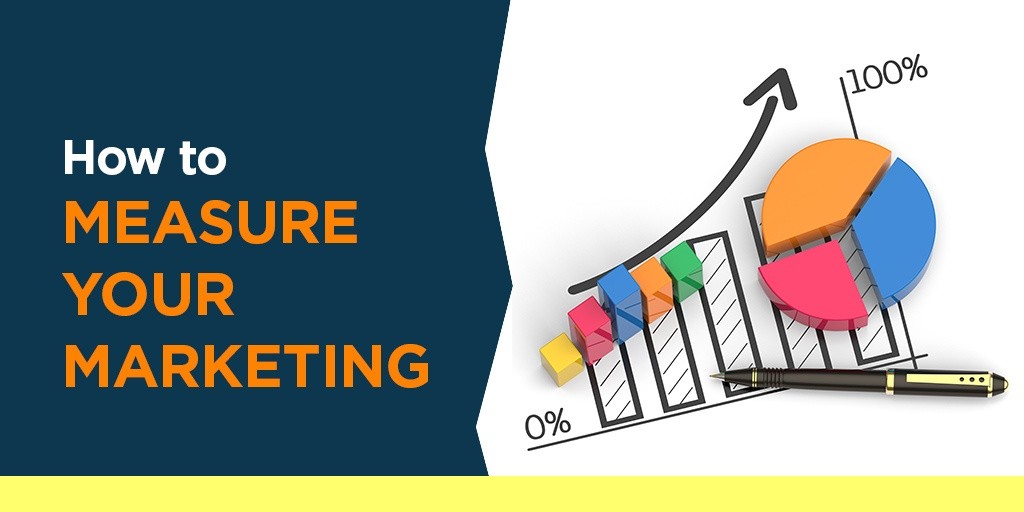
Improving results requires refining messaging, A/B testing campaigns, and aligning sales and marketing efforts. Analyzing sales cycle length, response rates, and audience behavior helps identify gaps and opportunities, leading to more efficient and impactful lead-generation efforts.
Final Thoughts
B2B healthcare lead generation isn’t just about visibility, it’s about building credibility, proving compliance, and delivering measurable value. With long decision cycles and strict regulations, success requires data-backed insights, multi-channel engagement, and relationship-driven strategies. Businesses that master these elements win trust, shorten sales cycles, and secure high-value contracts.